
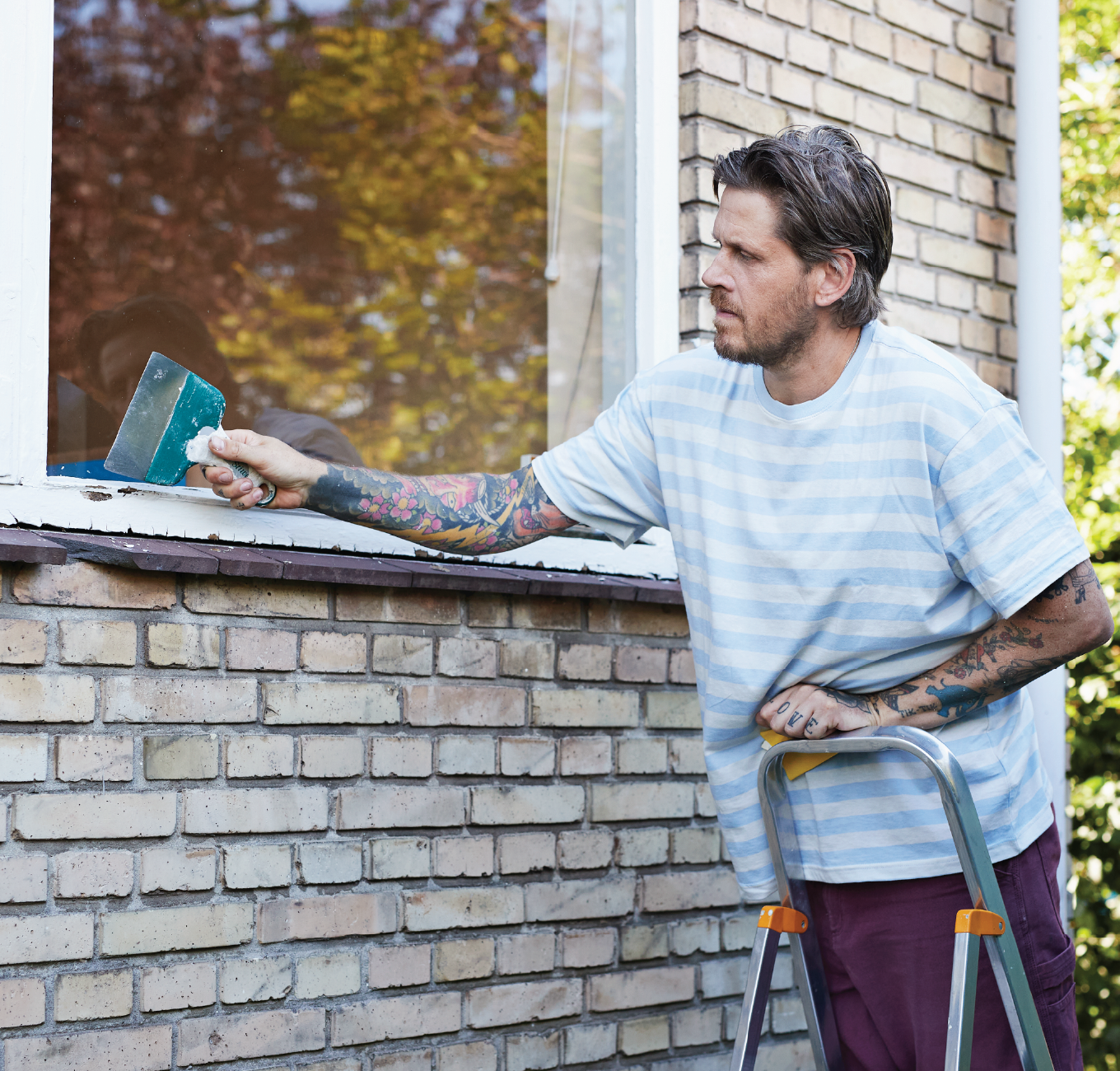
Every year when the temperatures drop, reminders abound to winterize your home. To-do lists fill up with projects like protecting your pipes and checking the fireplace. But what about when the temperatures rise and the heat (or AC!) is on? And what should you do if you’re going on vacation? Don’t sweat just yet! Here are 10 ways to prep your house before summer.
General summer prep
Whether you’re staying home or heading out of town, these five tips can help ensure you have the coolest summer.
1. Keep it cool
The best and worst part of summer is the long, hot days, so it’s imperative your HVAC is in tip-top shape. If you haven’t had it serviced lately, now is the time—an inefficient HVAC system can seriously raise your cooling costs, struggle to control humidity levels, and potentially break more easily. And since a tune-up costs less than half of the cost of the average HVAC repair bill, paying for it to be serviced is well worth the price.
You should also be sure to change your filter to ensure the HVAC can function properly. A clean HVAC filter can reduce allergens in your home and help your system run more efficiently. For best results, change the filter at least once every three months, or though people with pets, allergies, or in dusty areas may consider changing it more often.
If you have ceiling fans, you’ll also want to set them to rotate counter-clockwise. Fans are a great way to reduce your air conditioning bill, and the counter-clockwise rotation helps push cold air downward. And of course, check your windows and doors for any areas where cold air could escape. You can easily reseal windows with caulk or add weather-stripping to doorways for extra protection.
2. Monitor the humidity levels
If you’re struggling with humidity in your house, the problem could be exacerbated by summer weather. Excess moisture can cause lots of problems, including mold, which has both potential property and health consequences.
Monitor your home’s humidity with a hygrometer—ideally, your home’s indoor humidity level should stay around 40% to 50% in the summer—and if you see signs like foggy windows or new mold spots, a dehumidifier can help reduce excess moisture.
3. Gussy up your gutters
April showers bring May flowers—and possibly clogged gutters. While we haven’t had extremely heavy rainfall yet, now is the time to make sure your gutters are ready for a deluge. Otherwise, you may be dealing with water backups, leaks, or worse.
Personally, I have a tree that hangs slightly over my porch and often sheds leaves and debris right into my gutters. Since my house is only one-story, a handy friend and I are able to tackle them on our own using a small trowel and a hose, plus safety gear like gloves, glasses, and work boots. However, if you live in a multi-story home or don’t have the right tools, a professional is the best way to go.
4. Prep for pests
While excess moisture inside can lead to mold, excess water outside can also lead to mosquitoes. Thankfully, several of the steps we’ve already covered can help you prevent pests. Cleaning your gutters and eliminating standing water can prevent mosquitoes, while sealing any cracks in the windows or doorways can eliminate entry points for ants or roaches. Summer is also the season of wasps and bees, so keep your EpiPen handy if your allergic, and seal wood to protect from carpenter bees or termites. You can easily tackle this yourself, and it’s worth the effort to save you from repairing—or replacing—things down the line.
5. Do a safety check
Summer lends itself to so many social activities—grilling out, sleepovers with friends. With so many people potentially visiting your home, now is a great time to do a safety check. Test your smoke and carbon monoxide detectors and change their batteries if necessary. Restock or create a first aid kit, prepare an emergency kit ready in case of bad weather, and make sure everyone in the house knows their locations. Hopefully, you won’t need to use these, but if you do, knowing your kits are ready and accessible can give you peace of mind.
Before you leave for vacation
Summer also means vacation, so if you’re heading out for an extended period of time, be sure to take these additional five tips into account.
1. Unplug electronics
Before you hit the road, make sure you unplug all of your electronics, except things like your fridge, chest freezer, or security system. Unplugging electronics is recommended to help save energy, prevent fires in case of malfunctions, and protect them during power surges. Electronics to unplug include computers, gaming consoles, countertop kitchen appliances.
2. Program your sprinkler system
With temperatures rising, your lawn may need a little extra love this summer, especially if you’re planning to be away. Before leaving, make sure you do a once-over to check for clogged, tilted, or broken sprinkler heads. Without proper coverage or pressure, you could end up with dead patches or overwatered areas. Schedule sprinklers to run early in the morning, like between 4 and 8 am, for about 30 minutes twice a week. This allows water to be absorbed effectively, which also conserves water.
3. Set the thermostat
There’s no reason to cool a house while no one is in it, so setting your thermostat to 78-80 degrees can help reduce energy expenses and prevent moisture build-up. If you have a smart or programmable thermostat, you can set it to cool the house before you return to get the best of both worlds.
Just remember, if your pets are staying home this summer with a sitter, you’ll want to keep the temperature set between 74 and 78 degrees to keep them comfortable.
4. Secure your windows and garage door
If you’re planning to be away for a while, it’s important that you avoid leaving obvious signs of your absence. Most people remember to pause their newspaper delivery or mail service, but some things are a little trickier. While you may want to cover some windows to keep the sun out, covering all windows can make it clear you’re not home. If you plan to leave some blinds slightly open, it’s crucial you secure them to prevent entry. Additionally, you’ll want to lock your garage door for extra security. Options like slide locks, T- or L-handles, and padlocks can be easily purchased online at your local home improvement store.
5. Turn off the water
Some vacations last almost the entire summer. If that’s your plan, it may be a good idea to turn off your main water supply, or alternatively, you can close some of the valves to appliances like the washing machine or dishwasher. Leaving the water on while you’re away could cause flooding or serious water damage and would be an expensive welcome home.
You can also conserve water and energy while away by turning your water heater on vacation mode, labeled “VAC” or “LOW,” which lowers the water temperature to prevent freezing while keeping the pilot light active.
Key takeaways:
- General prep, like cleaning your HVAC and gutters, saves your summer fun and keeps you from bigger expenses later.
- Set the thermostat accordingly and seal your windows for maximum energy efficiency.
- Turn off important electronics and secure your house before leaving for vacation so you don’t come home to unhappy surprises.
Summer is synonymous with fun, and nothing ruins that more than an exorbitant power bill, or worse, a flood or fire. And while insurance may help mitigate the costs, it won’t totally fix things. Hopefully, these tips help you have the safest summer while maximizing your fun—and savings! Got any big plans this summer? Share them in the comments below!