
One of the benefits of homeownership is your property’s equity. But not all growth is linear, so it’s important you put in the effort to ensure you’re getting the most value out of your property. Keeping reading as we explain the importance of your property value and how you can protect it.
What is property value?
Property value is the estimated monetary worth of a property, including the land and structures, based on factors like market demand, comparable sales, location, and condition. Property value may be interpreted in a few different ways: market value, assessed value, and replacement costs. Market value is exactly what it sounds like—the amount someone will pay for the property, which fluctuates with the market. Your assessed value is the value tax assessors put on the property, typically based on the previous year’s sales. Lastly, replacement costs are the amount your insurance will provide to rebuild your house. This number is often higher as it includes additional costs to clean any debris and provide new materials.
How is property value used?
Property value can be used in various ways. As mentioned, your assessed value impacts your property tax, and replacement cost value is factored into insurance coverage. And of course, property value is useful for setting a listing price when selling. But your property value is useful in other ways. When buying your home, an appraisal is done and the property value is used as justification for lenders to give you a loan. It can also be evaluated as part of other loans like HELOCs, which can provide a cushion in case of an emergency.
How to protect your property value
Your home is likely one of your biggest assets, so maintaining its value is key to your long-term wealth. So, let’s go over five ways you can protect your property value.
Regular maintenance
The easiest and best way to protect your property value is through regular maintenance of the house and the appliances inside. Inspections and regular gutter cleaning can help extend the lifespan of your roof, and you should seasonally check your air conditioning unit or furnace as well. Plumbing problems can be a major source of issues, so check your sinks, tubs, and toilets for leaks, and service your water heater regularly to avoid sediment build up or other dilemmas. Some things will eventually need to be replaced, especially if you live in an older home or are planning to live in a house for over a decade. But just because it needs to be updated doesn’t mean you need the newest or fanciest model. Some of the appliance trends will go out of style, so focus on features that matter like energy efficiency to keep your value.
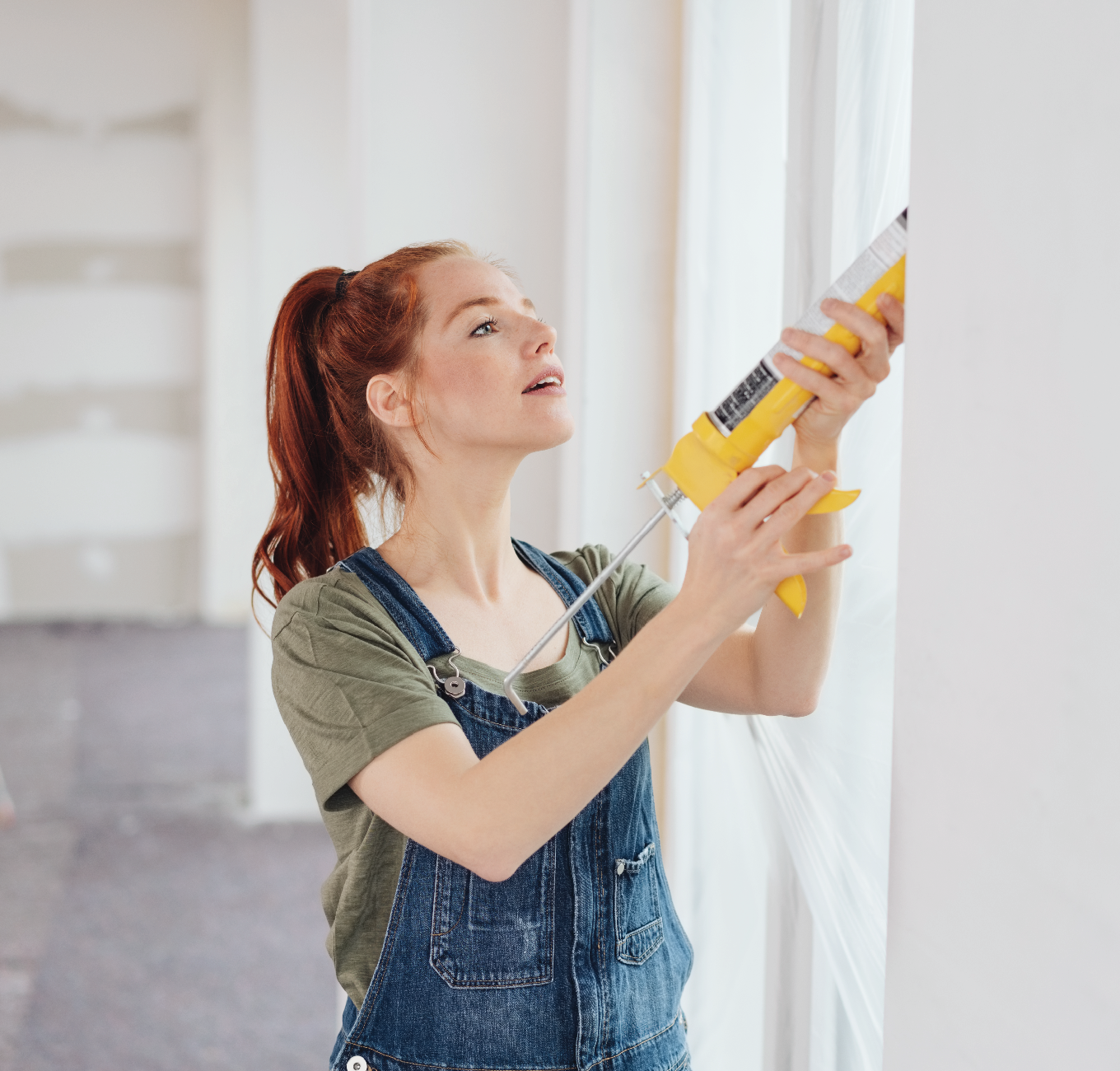
Other tasks like changing the HVAC filters, resealing windows, and cleaning your dryer vent are also fundamental to keeping your house safe. And don’t forget regular cleaning! It may not be fun to scrub but doing a little bit regularly can help your home age better over time and maintain its high value.
Keep up the curb appeal
While your home’s integrity is significant, the outside is what draws people in, so you want to make a good impression—even if you aren’t selling your house anytime soon. Proper upkeep and landscaping can make a big difference in appearances while also reflecting that the home has been well maintained.
You should also note any large trees on your property. While they can be beautiful, and an integral part of the ecosystem, they may also pose risks to your house. Remove dead branches to avoid falling limbs, and when necessary, consult an arborist to ensure your trees are healthy and secure.
Update as needed
Remodeling shows on HGTV and perfect houses on Instagram can make a renovation sound tempting, but don’t go overboard or get ahead of yourself. Update necessary items before going for cosmetic improvements. Research before starting any work, too. Too many upgrades can price yourself out of the neighborhood. Lastly, be sure to hire a professional unless you’re confident in the skills and tools you have. Improper work can reduce the value of your home, or worse, cause dangerous—and expensive—complications later.
Consider a fresh coat of paint if you’re looking for a quicker and less expensive way to make updates—repainting walls (or even the ceiling) can brighten rooms. Externally, repainting is a bit more involved and may require fresh primer, but painting exterior doors can be an easy way to give your house a little facelift.
Protect yourself from pests
Pets can bring a lot of joy to your home, but not all critters are welcome, so regular pest control is crucial for protecting your home and its value. Wooden structures like porches or fences need to be defended from termites, which can cause thousands of dollars of damage. Other pests like cockroaches or rodents can carry diseases or disrupt wiring. Regularly monitor your home to stay on top of issues before it becomes an infestation and prevent future problems by implementing targeting barriers where possible. All these things can help your home remain structurally sound and maintain its value for years to come.
Review your insurance coverage
No matter how well you take care of things, accidents and natural disasters can still happen. It’s vital to regularly review your insurance coverage to make sure your house is appropriately covered and that you have the right protection. Some aspects to consider include liability insurance or umbrella insurance. If you’ve renovated your house, you’ll also want to make sure your policies reflect any changes to your home’s value. If you’re renting out any space, like for short-term vacation rentals, you may need additional policies like landlord insurance.
Key takeaways:
- The easiest way to maintain your value is to maintain the house regularly.
- Don’t upgrade yourself out of the market and hire professionals accordingly.
- Review your insurance coverage to make sure you’re covered for the right things.
Homeownership can bring a lot of fun and memories, but it can also be a lot of work. Regardless of your plans to sell, your home is likely one of your biggest assets. Maintaining it and its value can help maximize your return and provide a solid source of equity should life surprise you. Have a tip for protecting your property value? Share it in the comments below!




Great article! Thank you for these key takeaways.
Myriam — We’re happy you found this helpful!